
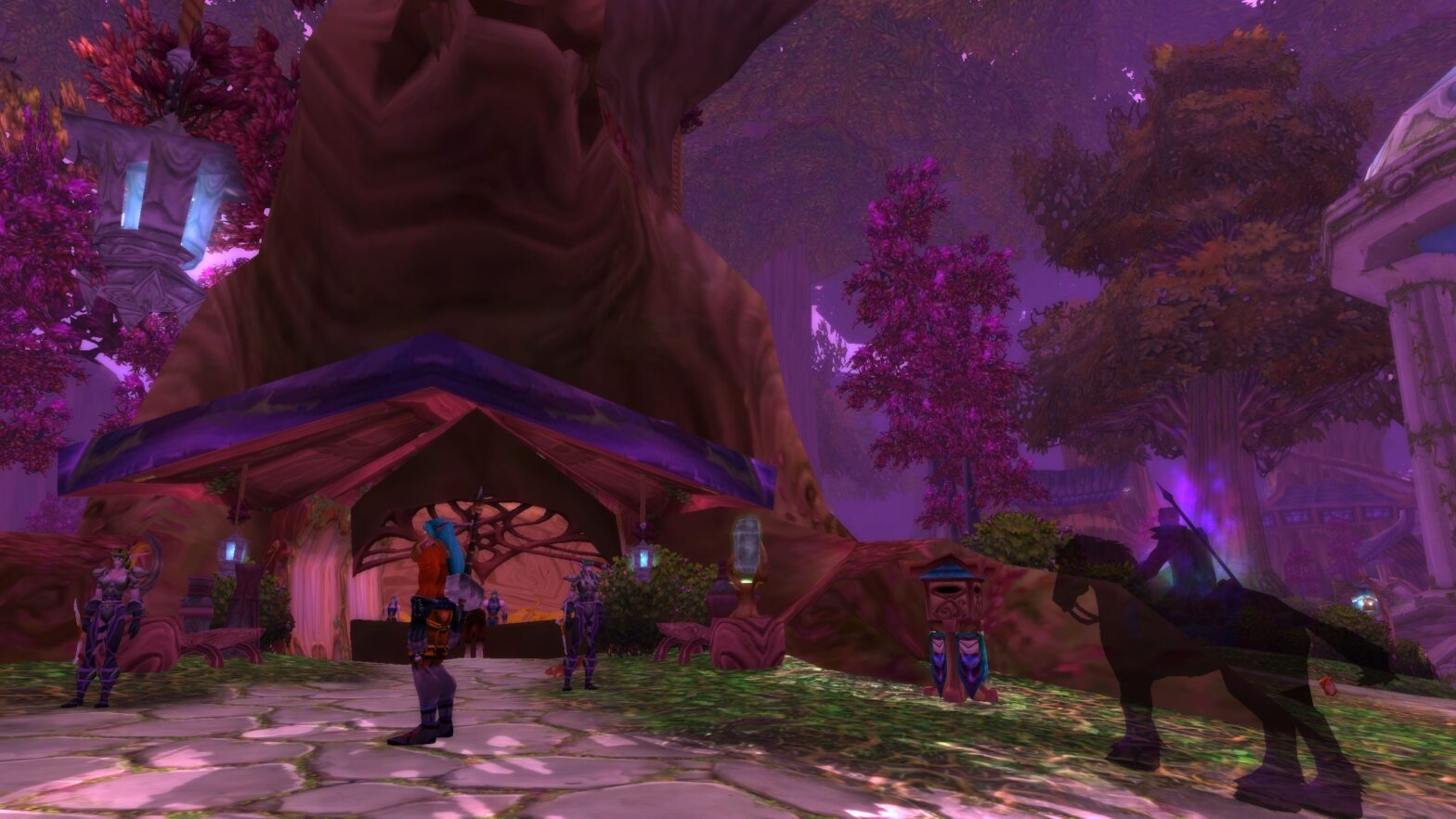
From the vast, uncharted territories of Vanilla WoW to the mystical lands of Pandaria, you’ve seen Azeroth evolve. You’ve witnessed the introduction of the Blood Elves and Draenei in The Burning Crusade and braved the chilling continent of Northrend in Wrath of the Lich King. Each expansion, from Cataclysm’s dramatic reshaping of the world to the serene beauty of Pandaria, has not only added new adventures but also revolutionized gameplay with features like flying in Azeroth and the rich Pandaren culture. As Azeroth grows, so does your journey, beckoning you to uncover what lies ahead in this ever-expanding universe.
Key Takeaways
- Each expansion introduces new races and classes, enriching Azeroth’s diversity and player choices.
- Storylines deepen with every release, exploring lore and culminating in epic confrontations.
- New continents and zones offer fresh landscapes and mysteries for players to uncover.
- Gameplay mechanics evolve, including the introduction of flying, achievements, and hero classes.
- Expansions redefine player experiences, from leveling revamps to introducing new gameplay elements like the Monk class and Pandaren race.
The Beginning: Vanilla WoW
Before the arrival of any expansions, there was Vanilla WoW, offering a vast, uncharted world for you to explore. Blizzard Entertainment crafted a universe where the Alliance and Horde were at constant odds, laying the foundation for every WoW expansion that followed. You’d find yourself drawn into this world through a cinematic trailer that promised adventure, conflict, and mystery. Unlike the complex narratives and myriad playable races introduced in previous expansions, Vanilla WoW kept it simpler yet vast enough to lose yourself in for hours.
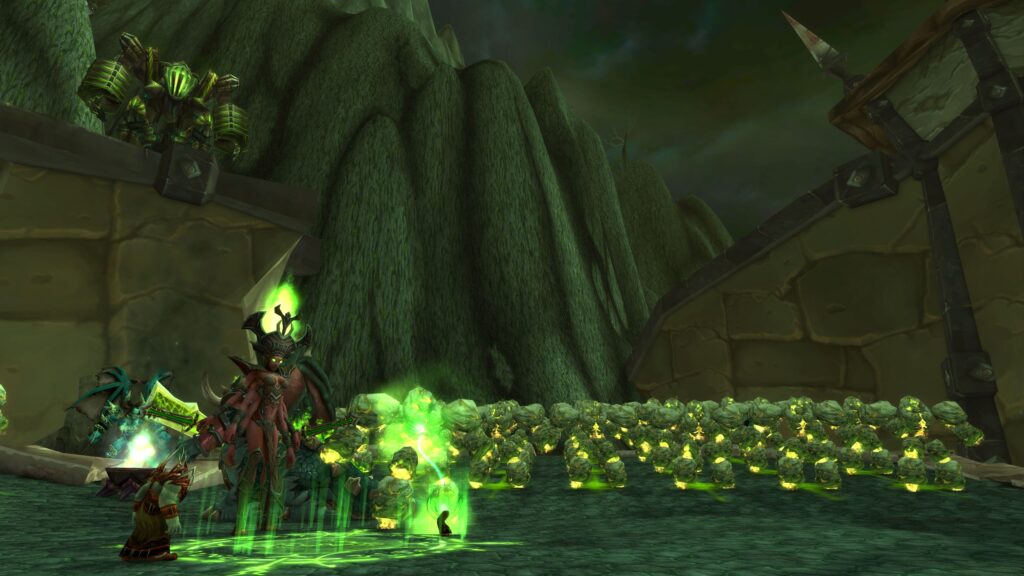
The continents of Azeroth, from the icy peaks of Dun Morogh to the deserts of Durotar, were yours to traverse without the aid of flying mounts. Kul Tiras, an area that would later gain prominence, was just a whisper among the tales of sailors and adventurers. In this era, the game’s focus was on exploration, community, and the raw experience of building your character from scratch.
There weren’t any shortcuts here; every level gained was a triumph, and every piece of gear had its story. You’d spend nights with your guild, strategizing over raids that seemed insurmountable, creating bonds that many claim haven’t been replicated in gaming since. Vanilla WoW wasn’t just the first step into Azeroth; it was the beginning of a legacy.
The Burning Crusade Unleashed
In 2007, World of Warcraft set out on an epic new journey with the release of its first expansion, The Burning Crusade, inviting players to explore the mysterious Outland. This pivotal moment in the game’s history wasn’t just about adding new content; it was a bold step in the expansion release schedule that shaped the future of Azeroth and its adventurers.
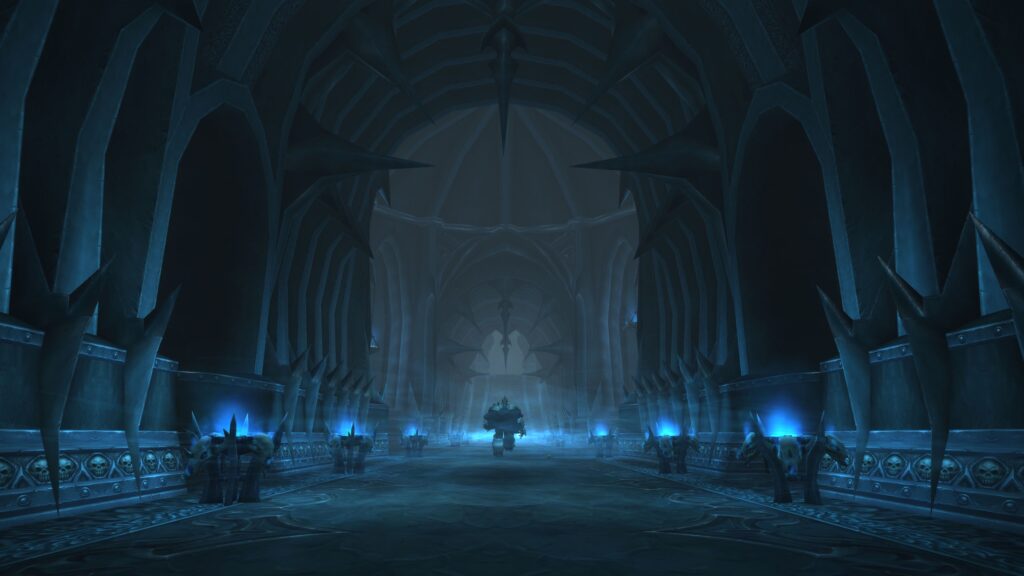
To give you a clearer picture, here are three aspects that The Burning Crusade introduced, forever changing the landscape of World of Warcraft:
- Introduction of the Allied Race Concept: Although not called “allied races” at the time, The Burning Crusade laid the groundwork by adding Blood Elves and Draenei, expanding faction lore and character customization options.
- A Blueprint for Future Expansions: It set a precedent for the current expansion development cycle, balancing new areas with engaging storylines and innovative gameplay mechanics.
- Pioneering Subsequent Expansions: The success and lessons learned from The Burning Crusade influenced the design and execution of all subsequent expansions, ensuring each new release built upon its foundation while introducing fresh ideas.
As the first step beyond the original game, The Burning Crusade was a critical chapter in evolving World of Warcraft from its beginnings into the ever-expanding universe it’s known as today.
Wrath of the Lich King Deep Dive
After The Burning Crusade, World of Warcraft‘s next chapter unfolded with Wrath of the Lich King, inviting you to brave the cold darkness of Northrend. This expansion wasn’t just a new land to explore; it was a thorough exploration into the lore that’s haunted Azeroth since Warcraft III. You were plunged into a world teeming with undead horrors, facing the Lich King, Arthas Menethil, in his icy fortress.
The introduction of the Death Knight, WoW’s first hero class, allowed you to start at a higher level, bringing a fresh gameplay experience. You’d feel the weight of your decisions as you broke free from the Lich King’s grasp, journeying through quests that were more immersive and story-driven than ever before.
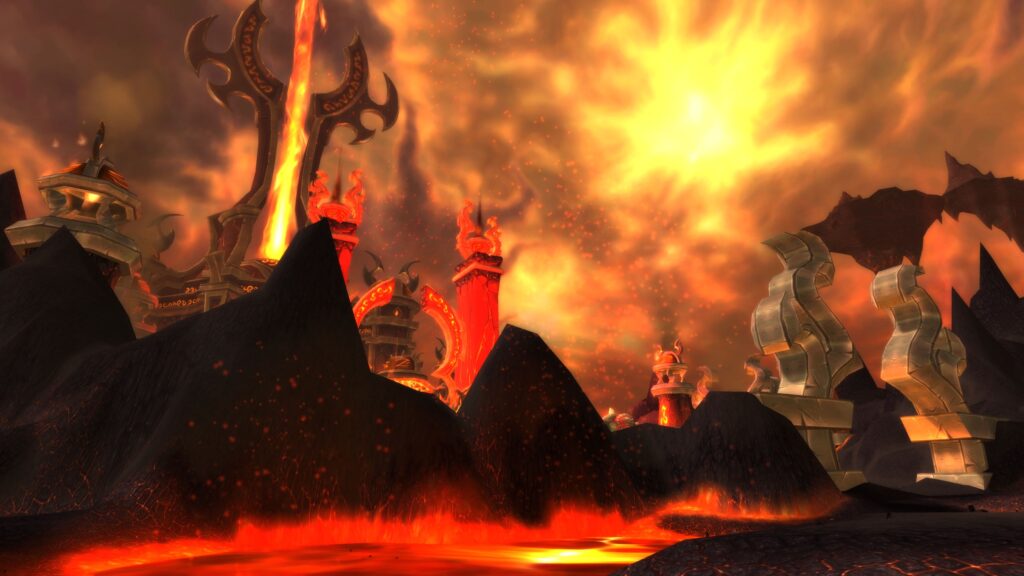
Northrend itself was a vast, diverse continent. From the lush, green fjords of Howling Fjord to the barren wastes of Icecrown, each zone offered unique challenges and stories. The expansion also introduced the achievement system, giving you new goals outside of leveling and gearing.
Dungeons and raids received significant updates, with the peak being the assault on Icecrown Citadel. Facing the Lich King wasn’t just an endgame goal; it was a narrative culmination, bringing closure to one of Warcraft’s most iconic stories.
Exploring Cataclysms Changes
Cataclysm dramatically reshaped Azeroth, altering landscapes and forever changing the way you’d experience the world. This expansion wasn’t just an addition of new content; it was a complete overhaul of the existing game world, making it feel fresh and new, even to the veterans of the game. You saw familiar zones torn apart by the catastrophic events unleased by Deathwing, with some areas becoming unrecognizable. The impact was profound, affecting quests, NPCs, and the overall narrative.
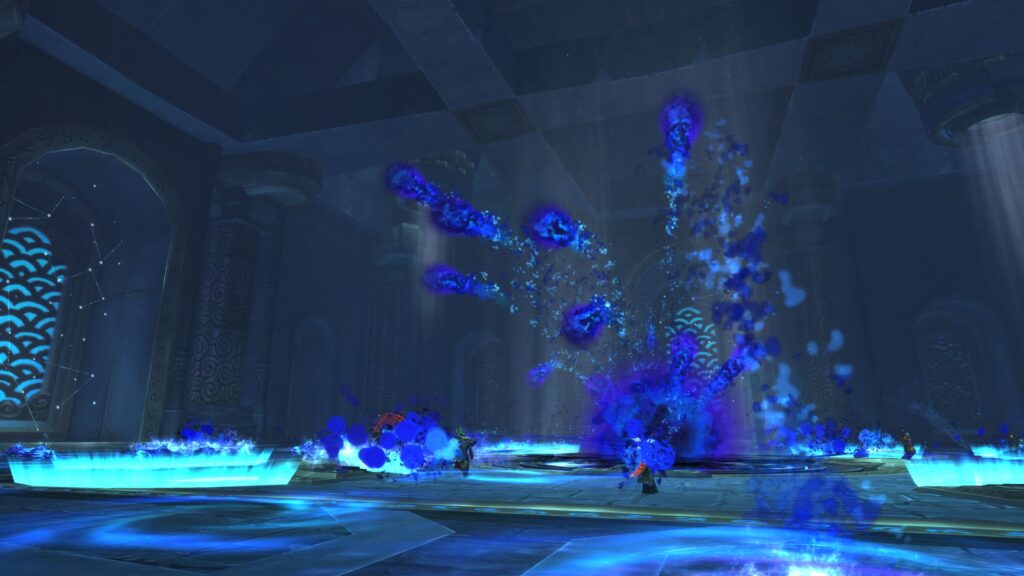
Here are three significant changes Cataclysm brought to the table:
- Revamped Leveling Experience: Zones from the original game were completely redesigned, offering a new leveling experience. This meant you could enjoy updated quests and storylines, making the journey from level 1 to 60 feel entirely new.
- Two New Playable Races: The introduction of Goblins for the Horde and Worgen for the Alliance added fresh dynamics and racial abilities, giving you more options for your avatar and how you interact with the world.
- Flying in Azeroth: For the first time, you could take to the skies in the Eastern Kingdoms and Kalimdor, exploring from a whole new perspective and uncovering secrets that were once out of reach.
Cataclysm’s changes were more than just cosmetic; they redefined your adventures in Azeroth, making every discovery and battle feel novel again.
Mists of Pandaria Explored
With Mists of Pandaria, you’re introduced to a mysterious new continent, unfolding an era of exploration and conflict within the rich tapestry of Azeroth’s history. You’re thrust into a domain where the ancient, serene Pandaren race resides, a stark contrast to the turmoil that has been brewing between the Horde and the Alliance. It’s a chapter that beckons you to explore lush forests, towering mountains, and mystical temples, all while unraveling the secrets of Pandaria.
You’ll find yourself aligned with either the noble Alliance or the mighty Horde, plunging into battlefields that test your mettle and strategy. The expansion brings a fresh class, the Monk, offering a unique blend of martial arts prowess and mystical energies. You’re also introduced to a new race, the Pandaren themselves, allowing you to experience their rich culture and philosophical outlook firsthand.
The challenges in Mists of Pandaria are abundant, from conquering raids and dungeons to mastering the art of pet battles. The expansion emphasizes exploration and discovery, encouraging you to explore further into the lore and landscapes. It’s a journey that’s not just about conflict but also about understanding and harmony, showcasing the intricate balance that defines Azeroth.
Frequently Asked Questions
How Have the Expansions Collectively Impacted the In-Game Economy and Player Trading Systems?
The expansions have drastically changed the game’s economy and trading systems. You’ve seen new items and currencies introduced, which shifted how you trade and value goods. It’s made the market more dynamic and complex.
What Are the Most Significant Ways in Which Expansions Have Influenced the Evolution of Wow’s Pvp (Player Versus Player) Mechanics and Arenas?
Imagine you’re a gladiator entering ever-evolving arenas. Expansions have shaped WoW’s PvP by introducing new battlegrounds, modes, and class rebalances, ensuring you’re always on your toes, adapting strategies like a warrior in shifting sands.
How Have Expansions Changed the Approach to Character Customization and Player Identity Within the Game?
You’ve seen how expansions reshaped character customization, offering more options to express your identity in-game. They’ve introduced new races, classes, and aesthetic changes, letting you tailor your character’s look and feel more than ever.
In What Ways Have the Expansions Introduced and Developed Cross-Realm and Cross-Faction Play, Affecting Community Dynamics?
You’ve seen how WoW’s expansions have evolved, focusing on cross-realm and cross-faction play. They’ve greatly broadened your gaming circle, connecting over 5 million players globally, reshaping community dynamics and fostering unprecedented levels of collaboration and competition.
How Have the Narrative Storytelling Techniques and Media (E.G., In-Game Cinematics, External Videos, and Books) Evolved Across the Expansions to Enhance the Lore and Player Immersion?
You’ve seen how storytelling in WoW’s expansions has evolved, from in-game cinematics to books. This mix has deepened the lore and pulled you further into the game, making your experience more immersive and engaging.
Leave a Reply