
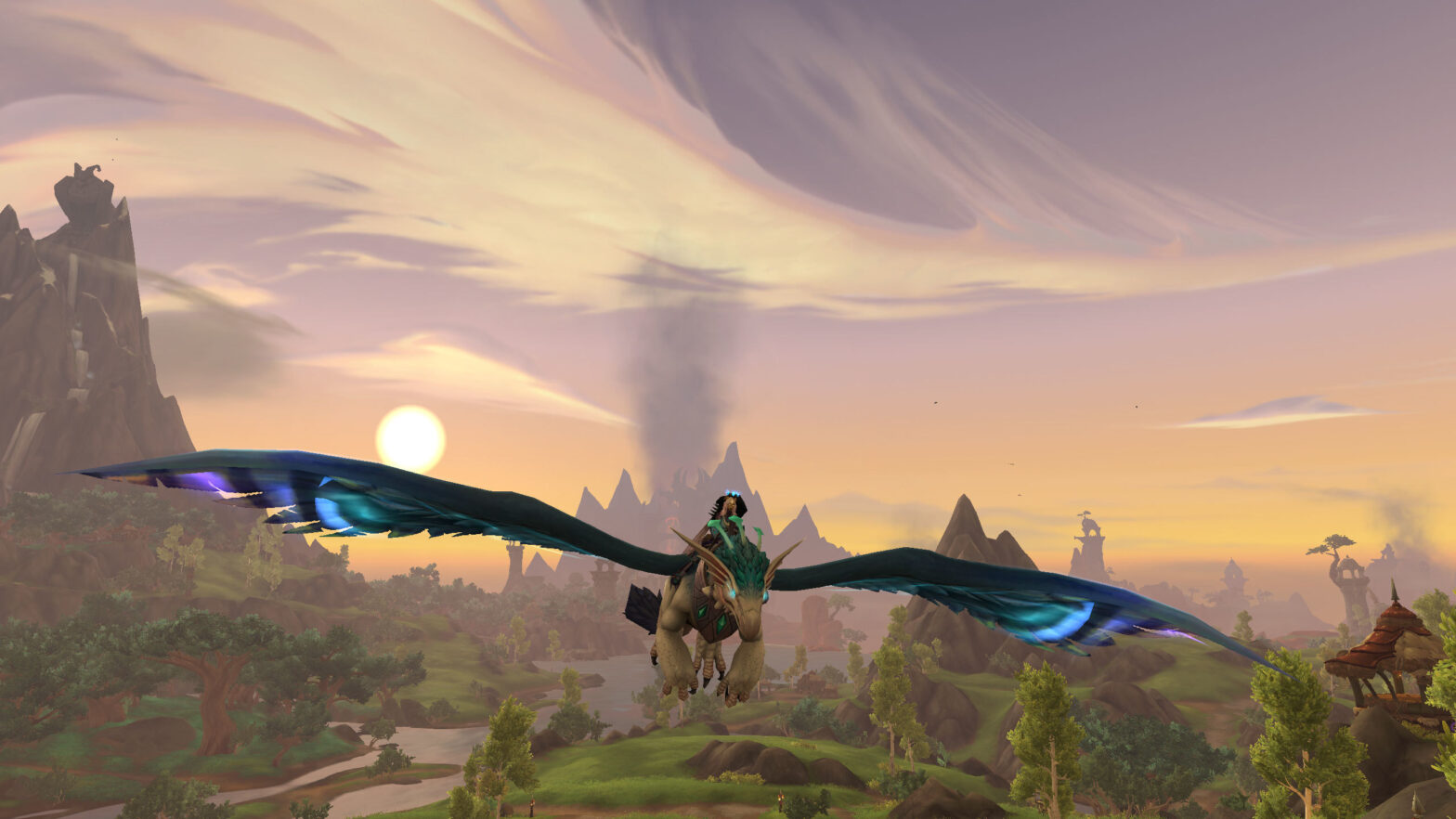
Dragonflight introduced a wave of open-world events that revitalized how players interact with Azeroth’s outdoor content. Instead of short, isolated activities, these events built living ecosystems where exploration, community participation, and reward cycles naturally encouraged players to gather, compete, and collaborate. The result was one of the most active and socially engaging outdoor environments WoW had seen in years.
This article examines how Dragonflight’s open-world design created this energetic ecosystem and why these events resonated so strongly with players across all playstyles.
A World Designed for Movement and Momentum
Dragonflight’s focus on fast traversal, fluid dragonriding movement, and interconnected zones transformed outdoor participation. Players didn’t move from point to point—they soared across landscapes, chained activities together, and flowed naturally from one event into the next. This sense of motion created a unique energy in the open world, turning events into spontaneous gatherings rather than isolated encounters.
The zones themselves reinforced this design. Open terrain, layered verticality, and visual landmarks helped players identify events from afar, encouraging them to dive in without hesitation. Momentum wasn’t just part of the gameplay—it shaped the social rhythm of each zone.
Events That Encourage Natural Social Interaction
One reason Dragonflight’s open-world events felt so alive is that they attracted constant player activity. Whether it was a large-scale assault, a dragonriding challenge, or a localized objective-based encounter, events reliably gathered groups of players in the same place at the same time. These gatherings didn’t require premade groups—players simply arrived and began working together.
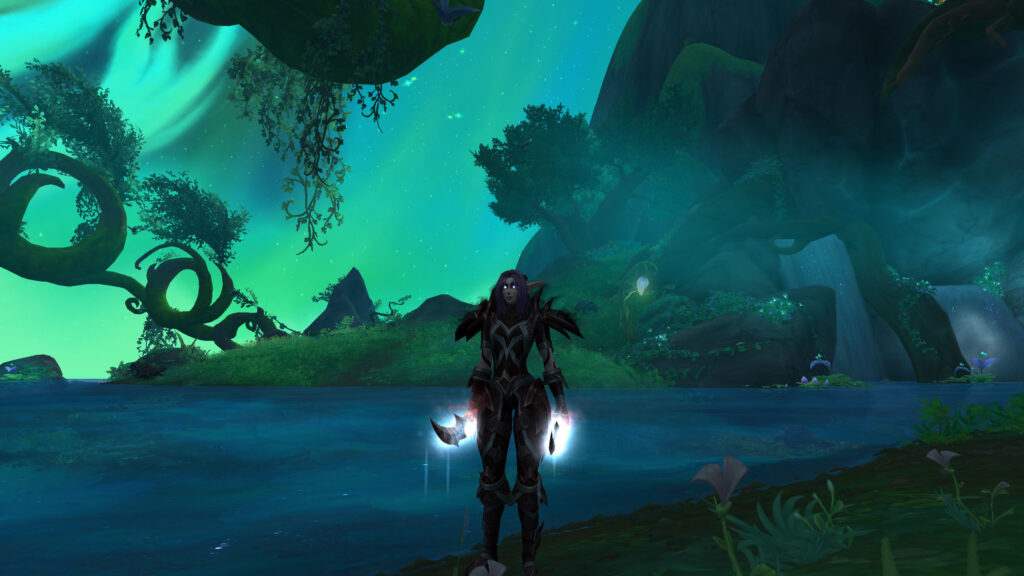
This casual cooperation created one of the healthiest atmospheres the game had seen in outdoor content, blending shared goals with freedom of movement.
- Community hunts where dozens of players tracked elite creatures.
- Elemental storms that encouraged group synergy and route planning.
- Siege events that blended PvE objectives with cooperative progression.
- Professions-focused gatherings offering rare materials and skill-ups.
- Dragonriding races that sparked friendly competition and repeated attempts.
The Balance Between Reward and Accessibility
Successful open-world events depend on appealing rewards without overwhelming players. Dragonflight struck this balance by offering cosmetic items, gear upgrades, crafting materials, dragonriding cosmetics, and reputation gains—all obtainable without rigid schedules. Players could drop into events, participate as much or as little as they wanted, and still walk away feeling rewarded.
The accessibility appealed to a wide audience: casual players enjoyed spontaneous engagement, while min-maxers optimized event routes for weekly efficiency. Both groups coexisted naturally, reinforcing the healthy ecosystem.
Dragonriding’s Role in Building Player Ecosystems
Dragonriding was the heart of Dragonflight’s world design. It turned travel into a skill-based activity that linked events across the continent. Because players could cross zones quickly and smoothly, more events stayed populated longer, and players often joined activities they wouldn’t have bothered with if travel were slower.
The system also added unique challenges like time trials, races, and community-driven competitions. These mechanics encouraged repeated participation and gave players reasons to revisit zones they would otherwise outgrow.
Layered Progression That Keeps Zones Alive
Unlike past expansions where open-world systems faded after a patch or two, Dragonflight’s events maintained relevance because of layered progression systems. Multiple reputation tracks, upgrade cycles, weekly quests, and profession incentives encouraged players to revisit each zone throughout the year.
This type of structured-but-flexible progression created longevity. Events remained bustling not because they were mandatory, but because they fit smoothly into daily and weekly routines.
How Events Created a Living Player Ecosystem
Dragonflight’s open-world ecosystem didn’t form by accident—it emerged naturally from the interplay of movement, rewards, social dynamics, and accessible progression. Events pulled players together, dragonriding kept them moving, and rewards encouraged them to return regularly. Each system reinforced the others.
The result was an environment where activity levels surged without artificial time-gating or forced participation. Players created their own rhythms, using events as anchors for exploration and achievement hunting.
Conclusion
Dragonflight’s open-world events created one of the most vibrant ecosystems WoW had seen in years by blending accessibility, mobility, social engagement, and layered rewards into a cohesive experience. These events encouraged organic interaction, spontaneous cooperation, and a sense of continuous motion across the Dragon Isles. By making the world feel alive with player activity, Dragonflight demonstrated how outdoor content can become a central pillar of the game—one that unites players through shared experiences in a dynamic, evolving environment.
As future expansions build on these ideas, Dragonflight’s open world will stand as a benchmark for how well-designed systems can shape community behavior and bring Azeroth’s outdoor spaces to life.
Leave a Reply